



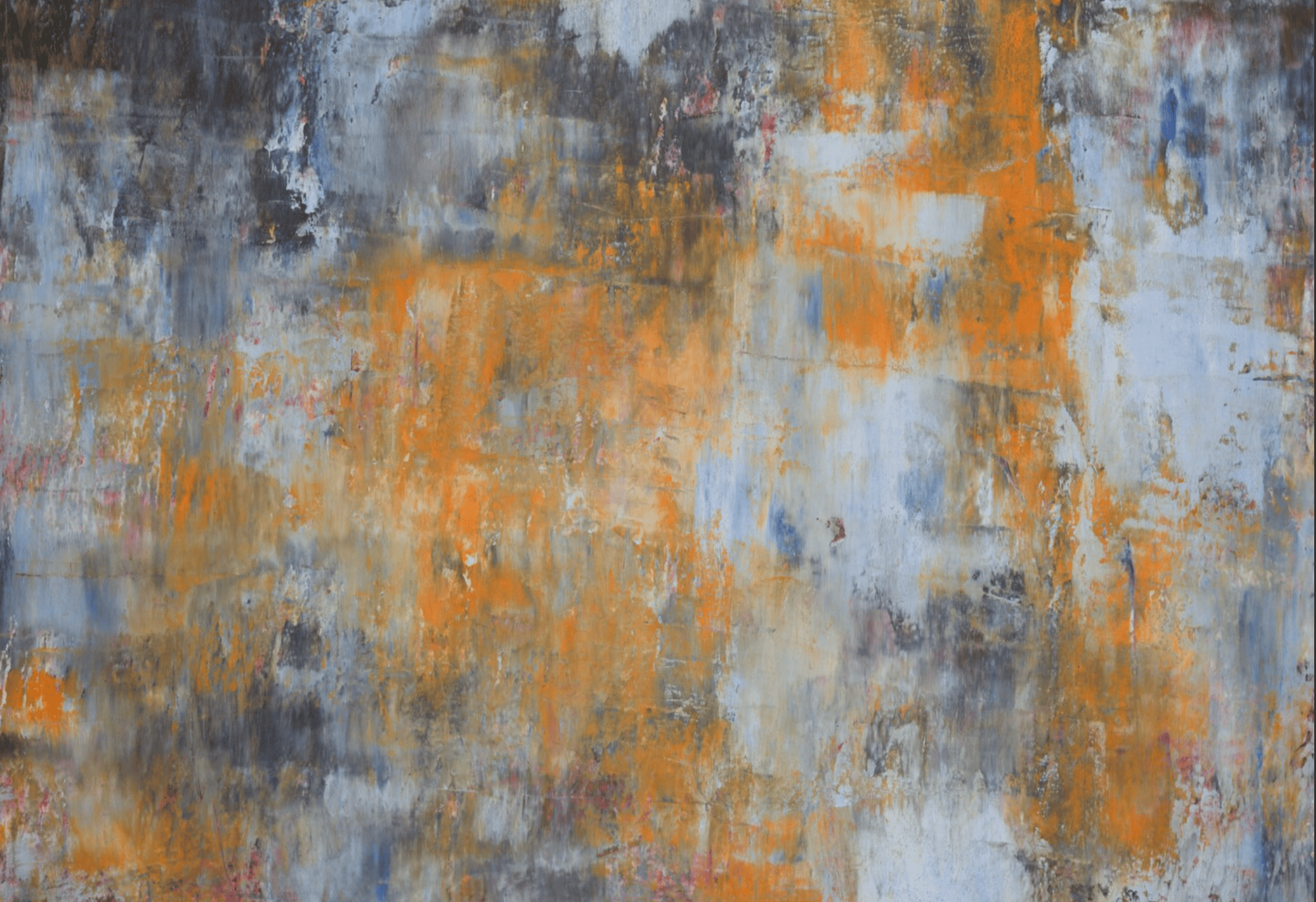
Isla Ferrer is an artist whose evolving practice explores identity, transformation, and the fragile nature of the human experience through abstract shapes, expressive colors, and layered textures. Her artistic journey has moved from photography to pastel and oil painting, with each new medium offering her a different way to investigate the relationship between what is visible on the surface and what exists beneath it.
Throughout her creative development, Ferrer has remained interested in the changing nature of identity. Her work considers how people are shaped by experiences, emotions, places, and personal history, and how these influences can gradually transform the way individuals understand themselves. Through a combination of representational and abstract approaches, she creates artworks that reflect an ongoing process of self-discovery.
From Photography to Painting
Ferrer began her creative journey with photography, initially focusing on atmospheric images that emphasized the relationship between color and light. Her photographic work provided a foundation for her later exploration of painting, particularly in the way she observed mood, atmosphere, and visual detail.
The transition from photography to pastel painting allowed her to move beyond capturing a moment and begin actively constructing her own visual worlds. Rather than simply recording what she saw, Ferrer could manipulate color, shape, texture, and composition to express ideas that existed beyond literal representation.
Her early pastel artworks combined elements of hyperrealism and abstraction. Detailed depictions of animals and floral subjects became important areas of exploration, allowing her to demonstrate a strong understanding of form while simultaneously introducing more imaginative and expressive qualities.
This combination of realism and abstraction became an important stepping stone in the development of her artistic voice.
The Relationship Between Hyperrealism and Abstraction
Ferrer is interested in the space between the recognizable and the abstract. Her work demonstrates that these approaches can coexist within a single artistic practice.
Her hyperrealistic subjects, including animals and flowers, provide viewers with something familiar and tangible. The carefully rendered details invite close observation and create a strong connection to the physical world.
At the same time, her abstract elements open the door to more personal and emotional interpretations. Color, texture, and form can communicate feelings and ideas that cannot always be expressed through realistic imagery alone.
This balance allows Ferrer to explore both the external and internal dimensions of experience. The recognizable subject represents what can be seen, while abstraction suggests what might exist beneath the surface.
Her work therefore becomes a visual exploration of perception itself, asking viewers to consider how appearances can change and how deeper identities may remain hidden beneath them.
Discovering Texture Through Pastels
In 2021, Ferrer began experimenting with pastel grounds and mediums as a way to introduce greater texture into her artworks. This exploration represented an important stage in her development, as texture became increasingly central to the way she communicated ideas.
Texture can create a physical sense of depth while also contributing to the emotional character of a work. Rough, layered, or irregular surfaces can suggest complexity, vulnerability, movement, and change.
For Ferrer, the introduction of more tactile qualities into her work opened new possibilities. The surface of the artwork became an active part of the creative process rather than simply a background for the subject.
This interest in texture eventually led her toward another significant discovery: the combination of oil paint and cold wax medium.
Finding a New Visual Language Through Oil and Cold Wax
The discovery of oils combined with cold wax medium became a turning point in Ferrer’s artistic journey. This combination allowed her to move further into abstraction and develop a more expressive visual language.
Oil paint offers rich color and flexibility, while cold wax can add texture and physical depth to the surface. Together, the materials provide opportunities for layering, scraping, building, and revealing different aspects of the artwork.
This process aligns closely with Ferrer’s interest in identity and transformation. Layers can represent accumulated experiences, while the act of adding, removing, and reshaping material can reflect the way identity changes over time.
The resulting artworks are not necessarily about presenting a single fixed image. Instead, they can suggest movement and evolution, allowing the viewer to experience a sense of something continually becoming.
Exploring the Changing Nature of Identity
Identity is a central theme in Ferrer’s work. She is interested in how a person’s sense of self changes through different experiences and stages of life.
The idea of identity as something fluid rather than fixed is reflected in her transition between artistic mediums and styles. Just as her own practice has evolved, her work considers how individuals are continually shaped by the world around them.
Places, emotions, memories, and personal history all contribute to this process. These influences can leave visible and invisible traces, gradually changing how a person understands themselves.
Ferrer uses her artwork to explore the relationship between the outward appearance of a person and the authentic self that exists beneath it. Her paintings and drawings suggest that identity may contain multiple layers, with some aspects visible while others remain hidden.
This concept is echoed in her use of layered materials and textures. The physical structure of the artwork becomes a metaphor for the complexity of human identity.
The Fragility of Human Nature
Alongside identity, Ferrer’s work explores the fragility of human nature. Her interest in delicate forms, changing textures, and layered surfaces reflects an awareness of the vulnerability inherent in human experience.
The fragility she explores is not necessarily presented as weakness. Instead, it can be understood as part of what makes human existence complex and meaningful.
Just as a textured surface can be altered, scraped away, or rebuilt, human identity can be transformed by experiences. Moments of difficulty, change, and growth can leave lasting impressions.
Through abstraction, Ferrer is able to communicate these ideas without relying on literal narratives. The viewer can encounter a sense of vulnerability through color, movement, texture, and the physical qualities of the artwork.
Inspired by Places, Emotions, and Personal History
Ferrer draws inspiration from a wide range of personal and emotional sources. Places can influence her perception of color and atmosphere, while emotions provide an internal starting point for her compositions.
Personal history also plays an important role. Memories and experiences become part of the creative process, contributing to the layers of meaning within her work.
Rather than presenting these influences as straightforward stories, Ferrer transforms them into visual experiences. Her paintings allow personal ideas to become abstract forms, colors, and textures.
This approach creates space for viewers to develop their own interpretations. Although the work may begin with Ferrer’s personal experiences, the resulting compositions can evoke different emotions and memories in each individual who encounters them.
Layering as a Metaphor for Transformation
Layering is one of the most important aspects of Ferrer’s creative process. Through pastel, oil, and cold wax, she builds surfaces that contain multiple levels of material and visual information.
This physical layering can be understood as a metaphor for the development of identity. Every experience adds another layer to who we are, while certain memories or aspects of ourselves may become partially hidden beneath newer experiences.
The process of creating a layered artwork also allows Ferrer to embrace uncertainty. A previous mark may be covered but not completely erased. A texture may emerge unexpectedly. A new color may alter the emotional character of the entire composition.
These possibilities reflect the unpredictable nature of personal transformation. The final artwork becomes the result of an ongoing dialogue between intention and discovery.
A Continuous Process of Artistic Transformation
Throughout her creative journey, Isla Ferrer has continuously reassessed her artistic intentions. Her movement from photography to pastel and eventually toward oil and cold wax reflects a desire to deepen her understanding of movement, color, and texture.
Rather than viewing these changes as separate stages, they can be understood as interconnected parts of her artistic development. Each medium has contributed something to her evolving visual language.
Photography taught her to observe light and atmosphere. Pastels allowed her to explore hyperrealism and abstraction. Experimenting with textured grounds expanded her understanding of surface. Oil and cold wax then opened new possibilities for expressive abstraction.
This process demonstrates an artist who remains open to change and willing to question her own creative direction.
An Artistic Language of Self-Discovery
Isla Ferrer’s work ultimately reflects a journey of transformation and self-discovery. Her art explores the space between appearance and identity, realism and abstraction, surface and depth.
Through layered materials, expressive color, and complex textures, she creates artworks that invite viewers to think about the ways identity evolves over time. Her subjects and techniques may change, but the underlying questions remain connected to the human experience.
Her practice demonstrates how artistic experimentation can become a form of personal exploration. By continually reassessing her intentions and discovering new ways to work, Ferrer allows her art to evolve alongside her own understanding of identity and experience.
Today, her combination of representational and abstract techniques creates a distinctive body of work that reflects both technical curiosity and emotional depth. Whether working with detailed subjects or moving into complete abstraction, Isla Ferrer continues to explore the fragile, layered, and constantly changing nature of being human. Through her art, transformation becomes not only a subject but also a method a continuous process of looking inward, experimenting, and discovering what lies beneath the surface.